Close

February 27: George Herbert, Priest, 1633

Welcome to the Holy Women, Holy Men blog! We invite you to read about this commemoration, use the collect and lessons in prayer, whether individually or in corporate worship, then tell us what you think. For more information about this project, click here.

•   •   •
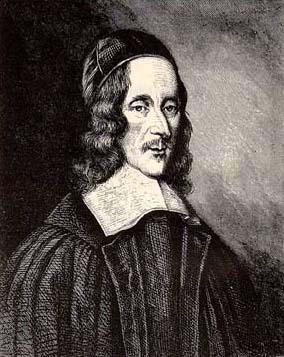
George Herbert

About this Commemoration

George Herbert is famous for his poems and his prose work, A Priest in the Temple: or The Country Parson. He is portrayed by his biographer Izaak Walton as a model of the saintly parish priest. Herbert described his poems as “a picture of the many spiritual conflicts that have passed betwixt God and my soul, before I could submit mine to the will of Jesus my Master; in whose service I have found perfect freedom.”

Herbert was born in 1593, a member of an ancient family, a cousin of the Earl of Pembroke, and acquainted with King James I and Prince (later King) Charles. Through his official position as Public Orator of Cambridge, he was brought into contact with the Court. Whatever hopes he may have had as a courtier were dimmed, however, because of his associations with persons who were out of favor with King Charles I—principally John Williams, Bishop of Lincoln.

Herbert had begun studying divinity in his early twenties, and in 1626 he took Holy Orders. King Charles provided him with a living as rector of the parishes of Fugglestone and Bemerton in 1630.

His collection of poems, The Temple, was given to his friend, Nicholas Ferrar, and published posthumously. Two of his poems are well known hymns: “Teach me, my God and King,” and “Let all the world in every corner sing.” Their grace, strength, and metaphysical imagery influenced later poets, including Henry Vaughan and Samuel Taylor Coleridge.

Lines from his poem on prayer have moved many readers:

Prayer, the Church’s banquet, Angel’s age,

God’s breath in man returning to his birth,

The soul in paraphrase, the heart in pilgrimage,

The Christian plummet sounding heav’n and earth.

Herbert was unselfish in his devotion and service to others. Izaak Walton writes that many of the parishioners “let their plow rest when Mr. Herbert’s saints-bell rung to prayers, that they might also offer their devotion to God with him.” His words, “Nothing is little in God’s service,” have reminded Christians again and again that everything in daily life, small or great, may be a means of serving and worshiping God.

Collects

I    Our God and King, who didst call thy servant George Herbert from the pursuit of worldly honors to be a pastor of souls, a poet, and a priest in thy temple: Give unto us the grace, we beseech thee, joyfully to perform the tasks thou givest us to do, knowing that nothing is menial or common that is done for thy sake; through Jesus Christ our Lord, who liveth and reigneth with thee and the Holy Spirit, one God, for ever and ever. Amen.

II    Our God and King, you called your servant George Herbert from the pursuit of worldly honors to be a pastor of souls, a poet, and a priest in your temple: Give us grace, we pray, joyfully to perform the tasks you give us to do, knowing that nothing is menial or common that is done for your sake; through Jesus Christ our Lord, who lives and reigns with you and the Holy Spirit, one God, for ever and ever. Amen.

Lessons

Exodus 28:29–30

Philippians 4:4–9

Matthew 5:1–10

Psalm 23

Preface of a Saint (1)

Text from Holy Women, Holy Men: Celebrating the Saints © 2010 by The Church Pension Fund. Used by permission.

Additional link: collection of George Herbert works – http://www.luminarium.org/sevenlit/herbert/

•   •   •

We invite your reflections about this commemoration and its suitability for the official calendar and worship of The Episcopal Church. How did this person’s life witness to the Gospel? How does this person inspire us in Christian life today?

If you’d like to participate in the official online trial use survey, click here. For more information about the survey, click here.

To post a comment, your first and last name and email address are required. Your name will be published; your email address will not. The first time you post, a moderator will need to approve your submission; after that, your comments will appear instantly.
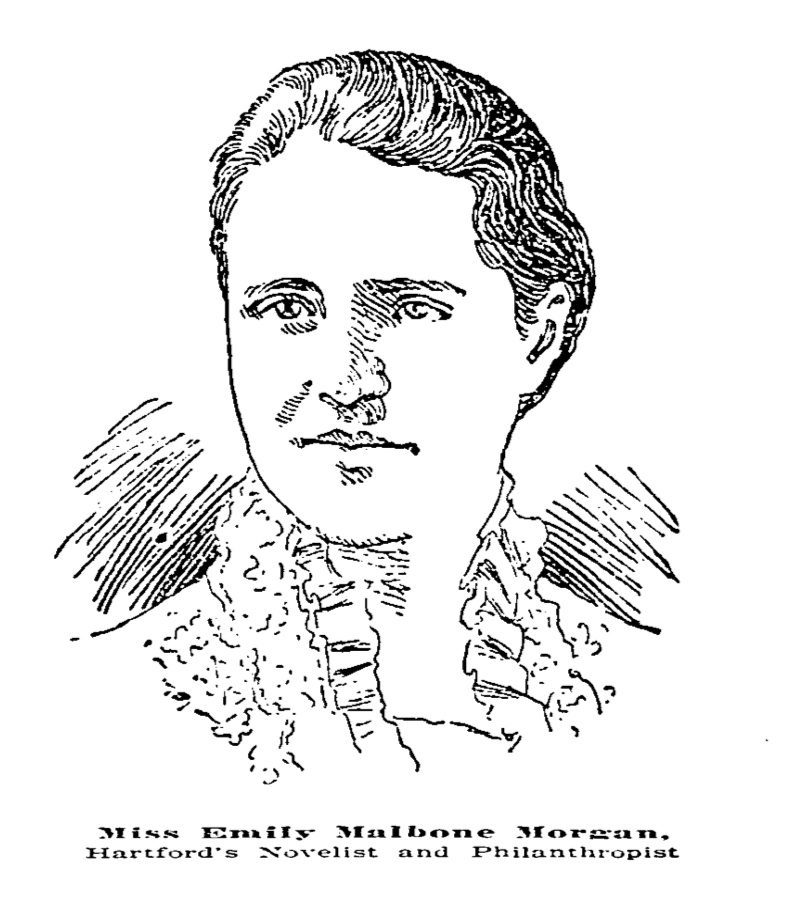
February 26: Emily Malbone Morgan, Prophetic Witness, 1937

Welcome to the Holy Women, Holy Men blog! We invite you to read about this commemoration, use the collect and lessons in prayer, whether individually or in corporate worship, then tell us what you think. For more information about this project, click here.

•   •   •

Emily Morgan

About this Commemoration

Emily Malbone Morgan, with the support of Harriet Hastings, was the founder of the Society of the Companions of the Holy Cross (SCHC), in 1884. Begun as an order of Episcopal laywomen rooted in disciplined devotion, SCHC became a strong force for social justice reform during the social gospel era around the turn of the twentieth century.

Morgan was born on December 10, 1862, in Hartford, Connecticut. Her family were prominent Hartford citizens and her Anglican roots ran deep on both sides of her family. She never married.

A primary inspiration for Morgan was her friendship with Adelyn Howard. Howard was homebound and because of her confinement sought Morgan’s support for both spiritual companionship and as a means by which she could offer intercessory prayer for others. Meeting her friend’s need, Morgan called together a small group of women for prayer and companionship. From that beginning, the Society of the Companions of the Holy Cross came into being.

Morgan had a particular concern for working women who were tired and restless and who had little hope for a vacation. In response, Morgan, with the help of a growing number of her Companions, developed summer vacation houses across the northeast where working women and their daughters could have some time away for physical and spiritual renewal and refreshment.

In 1901, the Society established a permanent home in Byfield, Massachusetts. With the construction of new facilities on the site in 1915, it took the name Adelynrood, which continues to exist as the headquarters and retreat center of the Society. At present, SCHC has thirty-one chapters with more than seven hundred Companions, lay and ordained women, serving in six countries.
Emily Malbone Morgan, together with her sisters in the Society of the Companions of the Holy Cross, lived a life of prayer and contemplation, rooted in the tradition, which led to powerful personal and communal commitments to social justice particularly for women.

Collects

I    Gracious God, we offer thanks for the life and witness of Emily Malbone Morgan, who helped to establish the Society of the Companions of the Holy Cross so that women living in the world might devote themselves to intercessory prayer, social justice, Christian unity and simplicity of life. Help us to follow her example in prayer, simplicity, ecumenism and witness to thy justice, for the glory of thy Name; through Jesus Christ, who with thee and the Holy Spirit liveth and reigneth, one God, for ever and ever. Amen.

II    Gracious God, we thank you for the life and witness of Emily Malbone Morgan, who helped to establish the Society of the Companions of the Holy Cross so that women who live in the world might devote themselves to intercessory prayer, social justice, Christian unity and simplicity of life. Help us to follow her example in prayer, simplicity, ecumenism and witness to your justice, for the glory of your Name; through Jesus Christ, who with you and the Holy Spirit lives and reigns, one God, for ever and ever. Amen.

Lessons

Exodus 1:15–21

Romans 16:1–6

Luke 10:38–42

Psalm 119:137–144

Preface of God the Holy Spirit

Text from Holy Women, Holy Men: Celebrating the Saints © 2010 by The Church Pension Fund. Used by permission.

•   •   •

We invite your reflections about this commemoration and its suitability for the official calendar and worship of The Episcopal Church. How did this person’s life witness to the Gospel? How does this person inspire us in Christian life today?

If you’d like to participate in the official online trial use survey, click here. For more information about the survey, click here.

To post a comment, your first and last name and email address are required. Your name will be published; your email address will not. The first time you post, a moderator will need to approve your submission; after that, your comments will appear instantly.
February 25: John Roberts, Priest, 1949

Welcome to the Holy Women, Holy Men blog! We invite you to read about this commemoration, use the collect and lessons in prayer, whether individually or in corporate worship, then tell us what you think. For more information about this project, click here.

•   •   •

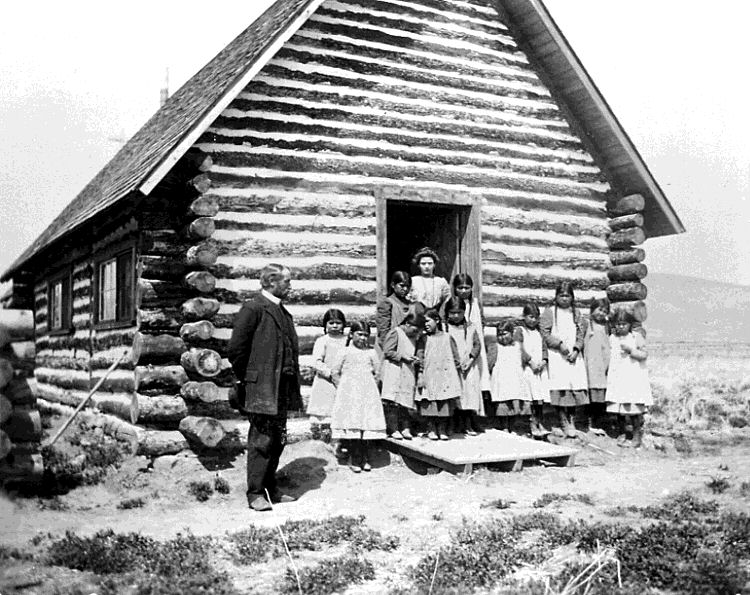
John Roberts & Shoshone Episcopal Mission, 1883-1885

About this Commemoration

John Roberts was a priest and mission worker among the Shoshone and Arapahoe in Wyoming where he worked tirelessly from his arrival in 1883 until his death in 1949.

Born and educated in Wales, Roberts served briefly in the Bahamas where he was ordained to the priesthood in 1878. Shortly thereafter, on a visit to New York, he contacted John Spalding, the missionary bishop of Wyoming and Colorado, asking for work among Native Americans. Bishop Spalding sent Roberts to serve in Colorado initially, but by 1883 he had made his way to Wyoming where he began work among the Shoshone and Arapahoe Indians in the area that is now the Wind River Reservation. Roberts learned the languages of both tribes and made extensive notes on vocabulary that have been invaluable to later generations of scholars.

Roberts shared his work with Laura Brown, a wealthy woman he had met while serving in the Bahamas. They married on the day of her arrival in Wyoming, Christmas Day 1884. Together they had six children, five of whom survived the harsh conditions, all of whom learned the native languages as well as English.

In 1887, after building trusting relationships with the people, the Shoshone chief granted land to Roberts on which to build a mission school for girls to complement the nearby government school for boys. In addition to the mission school, Roberts was responsible for starting congregations in nearly a dozen locations.

Unlike other missionaries who sought to change the culture and lifestyle of Native peoples as a sign of their conversion to the Christian faith, Roberts believed it was important to preserve the language, customs, and culture of the people. Roberts sought to honor and respect the ancient ways of the Native peoples while at the same time proclaiming the Gospel among them, inviting them to faith, establishing congregations, and serving their needs in the name of Jesus.

Collects

I    Creator God, we humbly thank thee that of thy goodness thou didst bring thy missionary John Roberts from his native shore that he might live and teach thy Gospel among the Shoshone and Arapahoe peoples in a spirit of respect and amity, and in their own tongue. Grant, we entreat thee, that like him we might proclaim the Good News of thy Christ with all those whom we meet, greeting them in friendship in the bonds of thy Holy Spirit; for thou art one God, Father, Son, and Holy Spirit, living and true, unto the ages of ages. Amen.

II    Creator God, we thank you for bringing your missionary John Roberts from his native land to live and teach your Gospel in a spirit of respect and amity among the Shoshone and Arapahoe peoples in their own language; and we pray that we also may share the Good News of your Christ with all we meet as friends brought together by your Holy Spirit; for you are one God, Father, Son, and Holy Spirit, living and true, to the ages of ages. Amen.

Lessons

Deuteronomy 31:30–32:4,6b–12a

Acts 3:18–25

John 7:37–41a

Psalm 90:13–17

Preface of God the Holy Spirit

Text from Holy Women, Holy Men: Celebrating the Saints © 2010 by The Church Pension Fund. Used by permission.

Additional link: more information about John Roberts can be found at http://www.dyserth.com/html/rev_john_roberts.html

•   •   •

We invite your reflections about this commemoration and its suitability for the official calendar and worship of The Episcopal Church. How did this person’s life witness to the Gospel? How does this person inspire us in Christian life today?

If you’d like to participate in the official online trial use survey, click here. For more information about the survey, click here.

To post a comment, your first and last name and email address are required. Your name will be published; your email address will not. The first time you post, a moderator will need to approve your submission; after that, your comments will appear instantly.
February 23: Polycarp, Bishop and Martyr of Smyrna, 156

Welcome to the Holy Women, Holy Men blog! We invite you to read about this commemoration, use the collect and lessons in prayer, whether individually or in corporate worship, then tell us what you think. For more information about this project, click here.

•   •   •

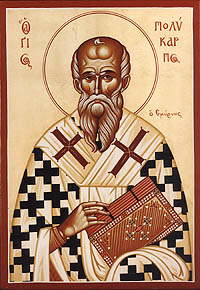
Polycarp by AKMA

About this Commemoration

Polycarp was one of the leaders of the Church who carried on the tradition of the apostles through the troubled period of Gnostic heresies in the second century. According to Irenaeus, who had known him in his early youth, Polycarp was a pupil of John, “the disciple of the Lord,” and had been appointed a bishop by “apostles in Asia.”

We possess a letter from Polycarp to the Church in Philippi. It reveals his firm adherence to the faith, and his pastoral concern for fellow Christians in trouble.

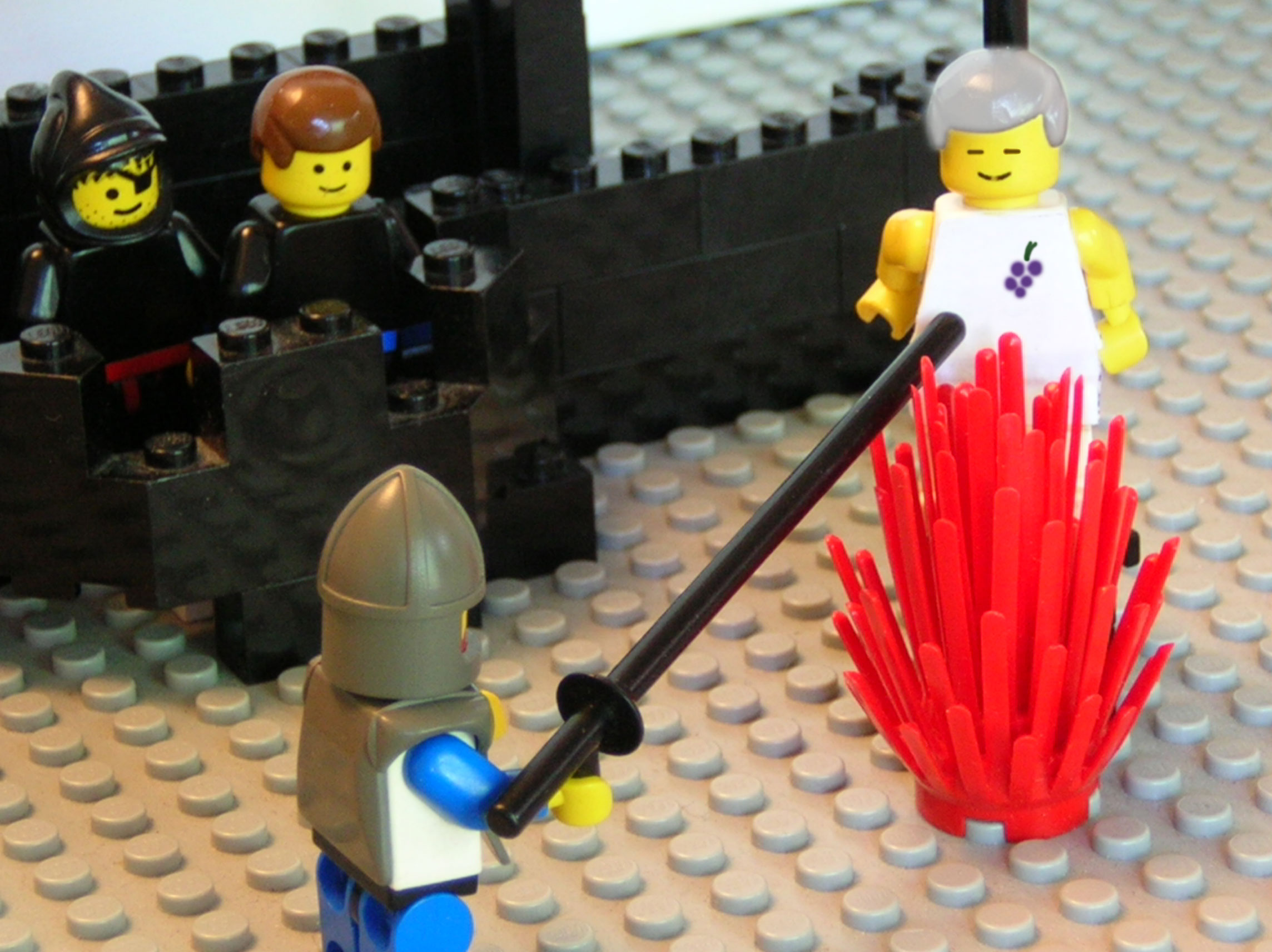
An authentic account of the martyrdom of Polycarp on February 23 is also preserved. It probably occurred in the year 156. The account tells of Polycarp’s courageous witness in the amphitheater at Smyrna. When the proconsul asked him to curse Christ, Polycarp said, “Eighty- six years I have served him, and he never did me any wrong. How can I blaspheme my King who saved me?” The account reports that the magistrate was reluctant to kill the gentle and harmless old man, but his hand was forced by the mob, who clamored that he be thrown to wild beasts, as was the fate of other Christians on that dreadful day.

Polycarp was burned at the stake. Before his ordeal, he is reported to have looked up to heaven, and to have prayed: “Lord God Almighty, Father of your beloved and blessed child Jesus Christ, through whom we have received knowledge of you, God of angels and hosts and all creation, and of the whole race of the upright who live in your presence, I bless you that you have thought me worthy of this day and hour, to be numbered among the martyrs and share in the cup of Christ, for resurrection to eternal life, for soul and body in the incorruptibility of the Holy Spirit. Among them may I be accepted before you today, as a rich and acceptable sacrifice just as you, the faithful and true God, have prepared and foreshown and brought about. For this reason and for all things I praise you, I bless you, I glorify you, through the eternal heavenly high priest Jesus Christ, your beloved child, through whom be glory to you, with him and the Holy Spirit, now and for the ages to come. Amen.”

Collects

I    O God, the maker of heaven and earth, who didst give to thy venerable servant, the holy and gentle Polycarp, boldness to confess Jesus Christ as King and Savior, and steadfastness to die for his faith: Give us grace, after his example, to share the cup of Christ and rise to eternal life; through Jesus Christ our Lord, who liveth and reigneth with thee and the Holy Spirit, one God, now and for ever. Amen.

II    O God, the maker of heaven and earth, you gave your venerable servant, the holy and gentle Polycarp, boldness to confess Jesus Christ as King and Savior, and steadfastness to die for his faith: Give us grace, following his example, to share the cup of Christ and rise to eternal life; through Jesus Christ our Lord, who lives and reigns with you and the Holy Spirit, one God, now and for ever. Amen.

Lessons

Numbers 23:5–12

1 Corinthians 2:1–5

Matthew 20:20–23

Psalm 121

Preface of a Saint (3)

Text from Holy Women, Holy Men: Celebrating the Saints © 2010 by The Church Pension Fund. Used by permission.

•   •   •

We invite your reflections about this commemoration and its suitability for the official calendar and worship of The Episcopal Church. How did this person’s life witness to the Gospel? How does this person inspire us in Christian life today?

If you’d like to participate in the official online trial use survey, click here. For more information about the survey, click here.

To post a comment, your first and last name and email address are required. Your name will be published; your email address will not. The first time you post, a moderator will need to approve your submission; after that, your comments will appear instantly.
February 22: Eric Liddell, Missionary to China, 1945

Welcome to the Holy Women, Holy Men blog! We invite you to read about this commemoration, use the collect and lessons in prayer, whether individually or in corporate worship, then tell us what you think. For more information about this project, click here.

•   •   •

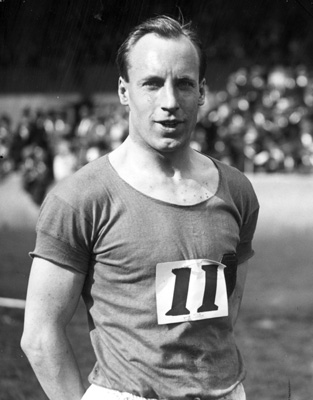
Eric Liddell

About this Commemoration
Eric Henry Liddell achieved international renown as an Olympic gold medalist, as an avid rugby player, and as a person totally devoted to his faith in Jesus Christ.
Liddell was born in 1902 in China, the second son of missionary parents. At the age of six he was sent with his older brother to Eltham College, Blackheath, a boarding school for the children of missionaries. Liddell remained there until he enrolled in Edinburgh University. Liddell excelled in athletics throughout his educational career.
Liddell won a position on the British track and field team for the Paris Olympic games of 1924. Liddell won the gold in the 400 meter, setting a world record, and a bronze in the 200 meter. His best event as a university athlete was the 100 meter and he was highly favored to win gold in the Olympics. Liddell, however, chose not to run the 100 meter because the heat was to be held on Sunday. He chose not to break his personal commitment to keeping a weekly sabbath even if that meant not running in his best event in the Olympics. The award-winning film, Chariots of Fire, is the story of Eric Liddell and his participation in Olympiad VIII.
After his graduation from Edinburgh, Liddell returned to North China, near his birthplace, and served as a missionary from 1925-1943. He was ordained in 1932 and in 1934 married Florence Mackenzie, the daughter of Canadian missionaries to China. Together they had three daughters.
Because of ongoing conflict between China and Japan in the 1930’s, Liddell and his family endured significant hardships. In 1941, after the Japanese invasion of Pearl Harbor, the British government advised expatriates to leave the country. Florence Liddell took the children and fled to Canada. Eric Liddell and his brother Rob stayed on and continued their work. In 1943, Liddell was interned in the Japanese concentration camp at Weihsein. Having won the respect of his captors, Liddell is remembered by camp survivors for his ministry among them. He died in 1945 shortly before the camp’s liberation.
Collects

I    God whose strength bears us up as on mighty wings: We rejoice in remembering thy athlete and missionary, Eric Liddell, to whom thou didst bestow courage and resolution in contest and in captivity; and we pray that we also may run with endurance the race that is set before us and persevere in patient witness, until we wear that crown of victory won for us by Jesus our Savior; who with thee and the Holy Spirit liveth and reigneth, one God, for ever and ever. Amen.
II    God whose strength bears us up as on mighty wings: We rejoice in remembering your athlete and missionary, Eric Liddell, to whom you gave courage and resolution in contest and in captivity; and we pray that we also may run with endurance the race set before us and persevere in patient witness, until we wear that crown of victory won for us by Jesus our Savior; who with you and the Holy Spirit lives and reigns, one God, for ever and ever. Amen.
Lessons
Isaiah 40:27–31
2 Peter 1:3–11
Mark 10:35–45
Psalm 18:21–25,29–34
Preface of a Saint (2)
Text from Holy Women, Holy Men: Celebrating the Saints © 2010 by The Church Pension Fund. Used by permission.
 

•   •   •

We invite your reflections about this commemoration and its suitability for the official calendar and worship of The Episcopal Church. How did this person’s life witness to the Gospel? How does this person inspire us in Christian life today?

If you’d like to participate in the official online trial use survey, click here. For more information about the survey, click here.

To post a comment, your first and last name and email address are required. Your name will be published; your email address will not. The first time you post, a moderator will need to approve your submission; after that, your comments will appear instantly.
February 21: John Henry Newman Priest and Theologian, 1890

Welcome to the Holy Women, Holy Men blog! We invite you to read about this commemoration, use the collect and lessons in prayer, whether individually or in corporate worship, then tell us what you think. For more information about this project, click here.

•   •   •

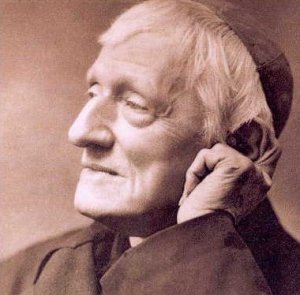
John Henry Newman

About this Commemoration

John Henry Newman was among the founders of the Oxford Movement and a prolific tractarian, having authored two dozen of the Tracts of the Times, the series of pamphlets setting forth the tenets of the movement. Most notably, Newman is remembered as the author of Tract 90, in which he sought to reconcile the teaching of Roman Catholicism with the Thirty-Nine Articles of the Church of England.

Newman was born in London in 1801 and was educated at Oxford. While a Fellow and Tutor at Oriel College, his evangelical upbringing gave way to a more catholic understanding of the Christian faith. He was ordained in 1826 and within two years became the Vicar of St. Mary’s Church, Oxford.

Newman was an avid student of the writings of the early church. Although he could be critical of the teachings of the Roman Church in his day, he was even more troubled by the theological state of the Church of England, particularly when weighed against what he understood to be the standards of the ancient church. His passionate interests in the texts of the early centuries of Christianity led Newman to question the position of Scripture as the unchecked rule and standard of the church’s faith. For Newman, Scripture was of critical importance but it could not stand alone; it had to be held in balance with the writings of the early church and the theological tradition of the church through the ages.

Although the other leaders of the Oxford Movement remained loyal to the Anglican tradition, spending their vocations advocating positions similar to his, Newman found it difficult to withstand the furor of the church’s infighting, particularly after the publication of Tract 90. In 1845, he was received into the Roman Catholic Church and soon thereafter went to Rome, where he was ordained to the priesthood. He became a member of the Congregation of the Oratory. Upon his return to England he established a house of the Oratory near Birmingham where he lived for the rest of his life.

Although his relationship with the Roman Church in England was at times problematic, Pope Leo XIII made him a Cardinal in 1877. He died on August 11, 1890.

Collects

I    God of all wisdom, we offer thanks for John Henry Newman, whose eloquence bore witness that thy Church is one, holy, catholic and apostolic, and who did make of his own life a pilgrimage towards thy truth. Grant that, inspired by his words and example, we may ever follow thy kindly light till we rest in thy bosom, with your dear Son Jesus Christ and the Holy Spirit, where heart speaks to heart eternally; for thou liveth and reigneth, one God, now and for ever. Amen.

II    God of all wisdom, we thank you for John Henry Newman, whose eloquence bore witness that your Church is one, holy, catholic and apostolic, and who made his own life a pilgrimage towards your truth. Grant that, inspired by his words and example, we may ever follow your kindly light till we rest in your bosom, with your dear Son Jesus Christ and the Holy Spirit, where heart speaks to heart eternally; for you live and reign, one God, now and for ever. Amen.

Lessons

Song of Solomon 3:1–4

1 John 4:13–21

John 8:12–19

Psalm 48

Preface of a Saint (1)

Text from Holy Women, Holy Men: Celebrating the Saints © 2010 by The Church Pension Fund. Used by permission.

Additional link: Collection of John Henry Newman’s works – http://www.newmanreader.org/

•   •   •

We invite your reflections about this commemoration and its suitability for the official calendar and worship of The Episcopal Church. How did this person’s life witness to the Gospel? How does this person inspire us in Christian life today?

If you’d like to participate in the official online trial use survey, click here. For more information about the survey, click here.

To post a comment, your first and last name and email address are required. Your name will be published; your email address will not. The first time you post, a moderator will need to approve your submission; after that, your comments will appear instantly.
February 20: Frederick Douglass, Prophetic Witness, 1895

Welcome to the Holy Women, Holy Men blog! We invite you to read about this commemoration, use the collect and lessons in prayer, whether individually or in corporate worship, then tell us what you think. For more information about this project, click here.

•   •   •

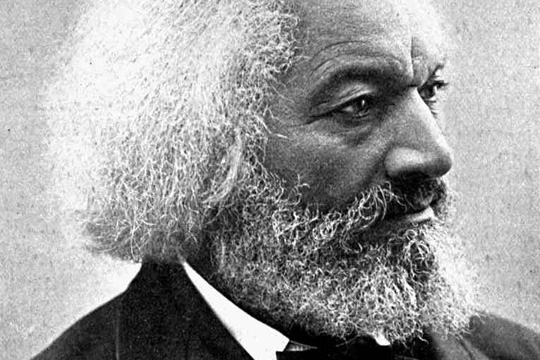
Frederick Douglass

About this Commemoration

Born as a slave in 1818, Frederick Douglass was separated from his mother at the age of eight and given by his new owner, Thomas Auld, to his brother and sister-in-law, Hugh and Sophia Auld. Sophia attempted to teach Frederick to read, along with her son, but her husband put a stop to this, claiming, “it would forever unfit him to be a slave.” Frederick learned to read in secret, earning small amounts of money when he could and paying neighbors to teach him.

In 1838, Frederick Bailey (as he was then known) escaped and changed his name to Frederick Douglass. At the age of 14, he had experienced a conversion to Christ in the African Methodist Episcopal Church, and his recollection of that tradition’s spiritual music sustained him in his struggle for freedom: “Those songs still follow me, to deepen my hatred of slavery, and quicken my sympathies for my brethren in bonds.”

An outstanding orator, Douglass was sent on speaking tours in the Northern States by the American Anti-Slavery Society. The more renowned he became, the more he had to worry about recapture. In 1845 he went to England on a speaking tour. His friends in America raised enough money to buy out his master’s legal claim to him so that he could return to the United States in safety. Douglass eventually moved to New York and edited the pro-abolition journal North Star, named for the fleeing slave’s nighttime guide.

Douglass was highly critical of churches that did not disassociate themselves from slavery. Challenging those churches, he quoted Jesus’ denunciation of the Pharisees: “They bind heavy burdens and grievous to be borne, and lay them on men’s shoulders; but they themselves will not move them with one of their fingers” (Matt. 23.4)

A strong advocate of racial integration, Douglass disavowed black separatism and wanted to be counted as equal among his white peers. When he met Abraham Lincoln in the White House, he noted that the President treated him as a kindred spirit without one trace of condescension.

Collects

I    Almighty God, whose truth maketh us free: We bless thy Name for the witness of Frederick Douglass, whose impassioned and reasonable speech moved the hearts of a president and a people to a deeper obedience to Christ. Strengthen us also to be outspoken on behalf of those in captivity and tribulation, continuing in the Word of Jesus Christ our Liberator; who with thee and the Holy Spirit dwelleth in glory everlasting. Amen.

II    Almighty God, whose truth makes us free: We bless your Name for the witness of Frederick Douglass, whose impassioned and reasonable speech moved the hearts of a president and a people to a deeper obedience to Christ. Strengthen us also to be outspoken on behalf of those in captivity and tribulation, continuing in the Word of Jesus Christ our Liberator; who with you and the Holy Spirit dwells in glory everlasting. Amen.

Lessons

Isaiah 32:11–18

Hebrews 2:10–18

John 8:30–32

Psalm 85:7–13

Preface of a Saint (2)

Text from Holy Women, Holy Men: Celebrating the Saints © 2010 by The Church Pension Fund. Used by permission.

•   •   •

We invite your reflections about this commemoration and its suitability for the official calendar and worship of The Episcopal Church. How did this person’s life witness to the Gospel? How does this person inspire us in Christian life today?

If you’d like to participate in the official online trial use survey, click here. For more information about the survey, click here.

To post a comment, your first and last name and email address are required. Your name will be published; your email address will not. The first time you post, a moderator will need to approve your submission; after that, your comments will appear instantly.
February 18: Martin Luther, Theologian, 1546

Welcome to the Holy Women, Holy Men blog! We invite you to read about this commemoration, use the collect and lessons in prayer, whether individually or in corporate worship, then tell us what you think. For more information about this project, click here.

•   •   •

Martin Luther by Lucas Cranach, 1532

About this Commemoration

Martin Luther was born November 10, 1483. His intellectual abilities were evident early, and his father planned a career for him in law. Luther’s real interest lay elsewhere, however, and in 1505 he entered the local Augustinian monastery. He was ordained a priest April 3, 1507.

In October 1512 Luther received his doctorate in theology, and shortly afterward he was installed as a professor of biblical studies at the University of Wittenberg. His lectures on the Bible were popular, and within a few years he made the university a center for biblical humanism. As a result of his theological and biblical studies he called into question the practice of selling indulgences. On the eve of All Saints’ Day, October 31, 1517, he posted on the door of the castle church in Wittenberg the notice of an academic debate on indulgences, listing 95 theses for discussion. As the effects of the theses became evident, the Pope called upon the Augustinian order to discipline their member. After a series of meetings, political maneuvers, and attempts at reconciliation, Luther, at a meeting with the papal legate in 1518, refused to recant.

Luther was excommunicated on January 3, 1521. The Emperor Charles V summoned him to the meeting of the Imperial Diet at Worms. There Luther resisted all efforts to make him recant, insisting that he had to be proved in error on the basis of Scripture. The Diet passed an edict calling for the arrest of Luther. Luther’s own prince, the Elector Frederick of Saxony, however, had him spirited away and placed for safekeeping in his castle, the Wartburg.

Here Luther translated the New Testament into German and began the translation of the Old Testament. He then turned his attention to the organization of worship and education. He introduced congregational singing of hymns, composing many himself, and issued model orders of services. He published his large and small catechisms for instruction in the faith. During the years from 1522 to his death, Luther wrote a prodigious quantity of books, letters, sermons and tracts. Luther died on February 18, 1546.

Collects

I    O God, our refuge and our strength: Thou didst raise up thy servant Martin Luther to reform and renew thy Church in the light of thy word. Defend and purify the Church in our own day and grant that, through faith, we may boldly proclaim the riches of thy grace which thou hast made known in Jesus Christ our Savior, who with thee and the Holy Spirit, liveth and reigneth, one God, now and for ever. Amen.

II    O God, our refuge and our strength: You raised up your servant Martin Luther to reform and renew your Church in the light of your word. Defend and purify the Church in our own day and grant that, through faith, we may boldly proclaim the riches of your grace which you have made known in Jesus Christ our Savior, who with you and the Holy Spirit, lives and reigns, one God, now and for ever. Amen.

Lessons

Isaiah 55:6–11

Romans 3:21–28

John 15:1–11

Psalm 46

Preface of Trinity Sunday

Text from Holy Women, Holy Men: Celebrating the Saints © 2010 by The Church Pension Fund. Used by permission.

•   •   •

We invite your reflections about this commemoration and its suitability for the official calendar and worship of The Episcopal Church. How did this person’s life witness to the Gospel? How does this person inspire us in Christian life today?

If you’d like to participate in the official online trial use survey, click here. For more information about the survey, click here.

To post a comment, your first and last name and email address are required. Your name will be published; your email address will not. The first time you post, a moderator will need to approve your submission; after that, your comments will appear instantly.
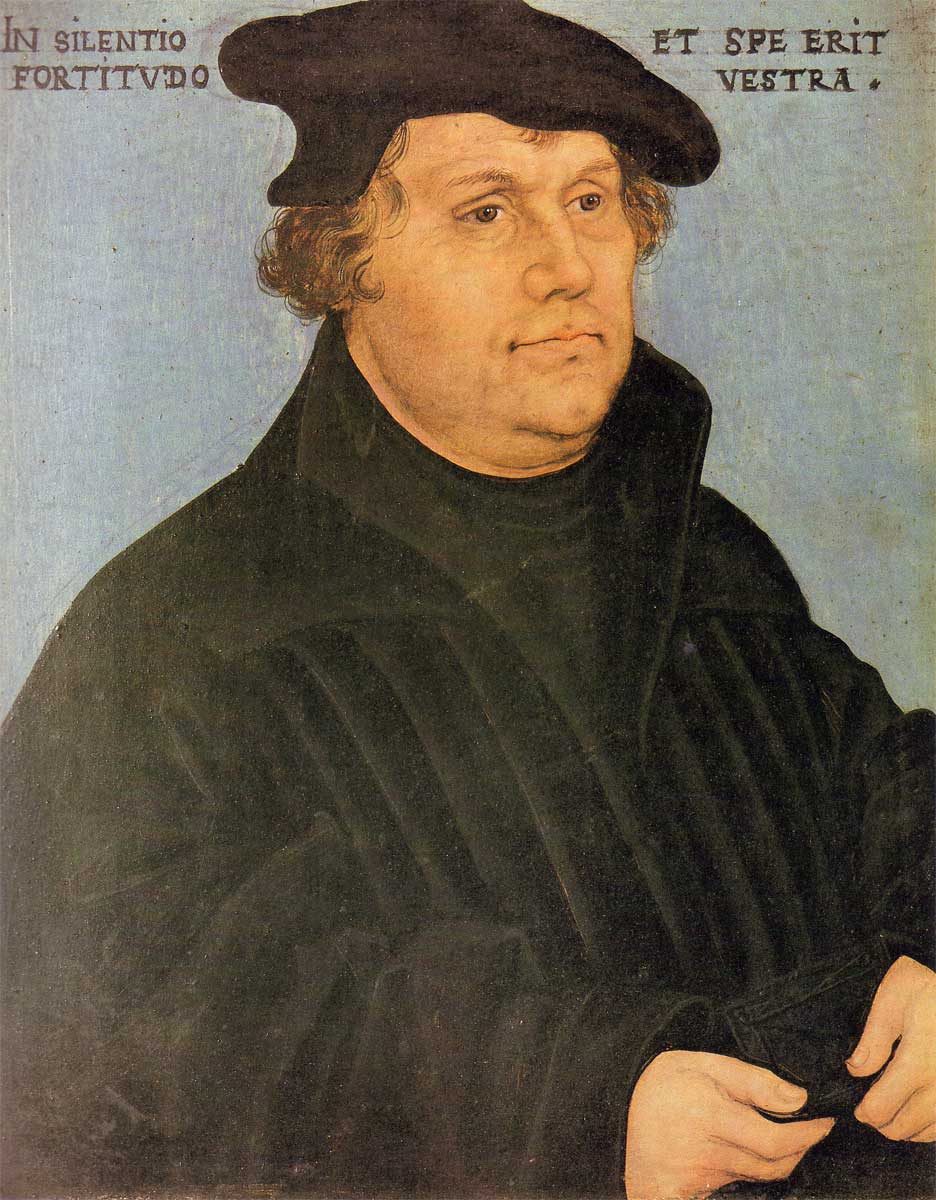
February 17: Janani Luwum, Archbishop of Uganda, and Martyr, 1977

Welcome to the Holy Women, Holy Men blog! We invite you to read about this commemoration, use the collect and lessons in prayer, whether individually or in corporate worship, then tell us what you think. For more information about this project, click here.

•   •   •

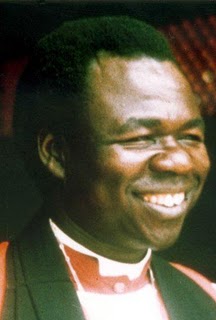
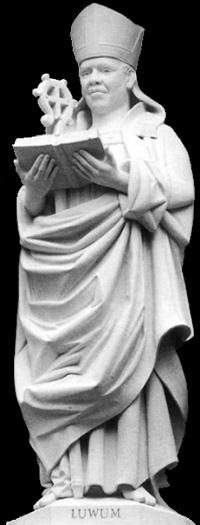
Janani Luwum

About this Commemoration

Janani Luwum was born in 1922 at Acholi in Uganda, near the Sudanese border. After his early years as a teacher and lay reader in Gulu, he was sent to St. Augustine’s College, Canterbury. He was ordained priest in 1956 and returned to Uganda to assume responsibility for twenty-four congregations. After several years of service that included work at a local theological college, Luwum returned to England on scholarship for further study at the London College of Divinity.

In 1969 Luwum became Bishop of Northern Uganda, where he was a faithful visitor to his parishes as well as a growing influence at international gatherings of the Anglican Communion. In 1974 he was elected Archbishop of the Church of Uganda, Rwanda, Burundi, and Boga-Zaire.

Luwum’s new position brought him into direct contact and eventual confrontation with the Ugandan military dictator, Idi Amin, as the Archbishop sought to protect his people from the brutality of Amin’s regime. In August of 1976 Makerere University was sacked by government troops. With Archbishop Luwum as their chair, the Christian leaders of the country drafted a strong memorandum of protest against officially sanctioned rape and murder.

In early February 1977 the Archbishop’s residence was searched for arms by government security forces. On February 16 President Amin summoned Luwum to his palace. He went there, accompanied by the other Anglican bishops and by the Roman Catholic cardinal archbishop and a senior leader of the Muslim community. After being accused of complicity in a plot to murder the President, most of the clerics were allowed to leave. However, Archbishop Luwum was ordered to remain behind. As his companions departed, Luwum said, “They are going to kill me. I am not afraid.” He was never seen alive again. The following day the government announced that he had been killed in an automobile accident while resisting arrest. Only after some weeks had passed was his bullet-riddled body released to his family for burial.

Early in his confrontation with the Ugandan government, Archbishop Luwum answered one of his critics by saying, “I do not know how long I shall occupy this chair. I live as though there will be no tomorrow … While the opportunity is there, I preach the Gospel with all my might, and my conscience is clear before God.

Collects

I    O God, whose Son the Good Shepherd laid down his life for the sheep: We give thee thanks for thy faithful shepherd Janani Luwum, who after his Savior’s example, gave up his life for the people of Uganda. Grant us to be so inspired by his witness that we make no peace with oppression, but live as those who are sealed with the cross of Christ, who died and rose again, and now liveth and reigneth with thee and the Holy Spirit, one God, for ever and ever. Amen.

II    O God, whose Son the Good Shepherd laid down his life for the sheep: We give you thanks for your faithful shepherd Janani Luwum, who after his Savior’s example, gave up his life for the people of Uganda. Grant us to be so inspired by his witness that we make no peace with oppression, but live as those who are sealed with the cross of Christ, who died and rose again, and now lives and reigns with you and the Holy Spirit, one God, for ever and ever. Amen.

Lessons

Daniel 3:13–29

2 Corinthians 6:2b–10

John 12:24–32

Psalm 119:41–48

Preface of Holy Week

Text from Holy Women, Holy Men: Celebrating the Saints © 2010 by The Church Pension Fund. Used by permission.

•   •   •

We invite your reflections about this commemoration and its suitability for the official calendar and worship of The Episcopal Church. How did this person’s life witness to the Gospel? How does this person inspire us in Christian life today?

If you’d like to participate in the official online trial use survey, click here. For more information about the survey, click here.

To post a comment, your first and last name and email address are required. Your name will be published; your email address will not. The first time you post, a moderator will need to approve your submission; after that, your comments will appear instantly.
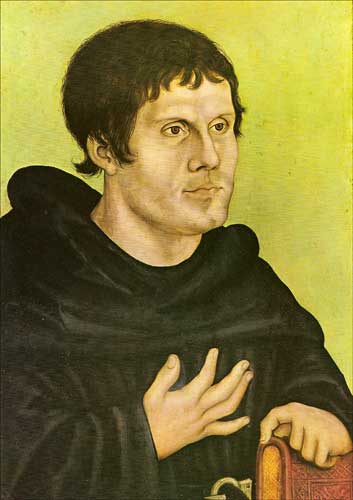
 

February 16: Charles Todd Quintard, Bishop of Tennessee, 1898

Welcome to the Holy Women, Holy Men blog! We invite you to read about this commemoration, use the collect and lessons in prayer, whether individually or in corporate worship, then tell us what you think. For more information about this project, click here.

•   •   •


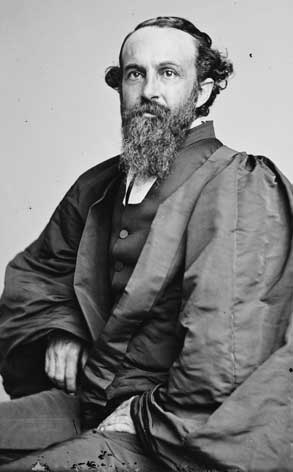
Charles Todd Quintard

About this Commemoration

Charles Todd Quintard was the second bishop of the Diocese of Tennessee and the first Vice Chancellor of The University of the South at Sewanee.

Quintard was born in 1824 in Stamford, Connecticut. In 1847 he received the degree of Doctor of Medicine from the Medical College of New York University and worked at New York’s Bellevue Hospital. After a brief episode of practicing medicine in Athens, Georgia, Quintard became the professor of anatomy and physiology at Memphis Medical College and an editor of the Memphis Medical Reporter. In 1848, Quintard married Katherine Isabella Hand, a native of Roswell, Georgia, and together they were the parents of three children.

It was while he was in Memphis that Quintard came to know Bishop James Hervey Otey, the first bishop of Tennessee. Under Otey’s personal tutelage, Quintard prepared for holy orders. He was ordained to the diaconate on New Year’s Day 1855 and to the priesthood on the Feast of the Epiphany, 1856. He served as rector of the Church of the Advent, Nashville, until his election as the second bishop of Tennessee in October 1865. He served as bishop until his death in 1898.

During the Civil War, Quintard played dual roles in the Confederate Army as both chaplain and surgeon. Following the war, he was instrumental in bringing together the previously divided factions and extending the reach of the Episcopal Church, particularly among African Americans.

Bishop Quintard was a strong advocate of education at every level and played a major role in the establishment of schools. Perhaps his greatest accomplishment was the rebuilding of the University of the South at Sewanee after its destruction during the Civil War. He made several successful trips to England to raise the funds to secure the future of the University. From February 1867 to July 1872, Quintard served as the reconstituted University’s first Vice Chancellor. Quintard believed that a great Episcopal university was essential, not just to the church in Tennessee and the southeast, but to the whole church, and thus devoted much of his ministry to Sewanee.

Collects

I    Mighty God, whose Name is blest in the example of thy bishop Charles Todd Quintard, who opposed the segregation of African Americans in separate congregations and condemned the exclusion of the poor: We pray that thy Church may be a refuge for all, for the honor of thy Name; through Jesus Christ, who with thee and the Holy Spirit liveth and reigneth, one God, for ever and ever. Amen.

II    Mighty God, we bless your Name for the example of your bishop Charles Todd Quintard, who opposed the segregation of African Americans in separate congregations and condemned the exclusion of the poor; and we pray that your Church may be a refuge for all, for the honor of your Name; through Jesus Christ, who with you and the Holy Spirit lives and reigns, one God, for ever and ever. Amen.

Lessons

Sirach (Ecclesiasticus) 34:14–19

Romans 14:10–13

Luke 14:15–24

Psalm 94:2–15

Preface of Baptism

Text from Holy Women, Holy Men: Celebrating the Saints © 2010 by The Church Pension Fund. Used by permission.

•   •   •

We invite your reflections about this commemoration and its suitability for the official calendar and worship of The Episcopal Church. How did this person’s life witness to the Gospel? How does this person inspire us in Christian life today?

If you’d like to participate in the official online trial use survey, click here. For more information about the survey, click here.

To post a comment, your first and last name and email address are required. Your name will be published; your email address will not. The first time you post, a moderator will need to approve your submission; after that, your comments will appear instantly.