Close

February 15: Thomas Bray, Priest and Missionary, 1730

Welcome to the Holy Women, Holy Men blog! We invite you to read about this commemoration, use the collect and lessons in prayer, whether individually or in corporate worship, then tell us what you think. For more information about this project, click here.

•   •   •
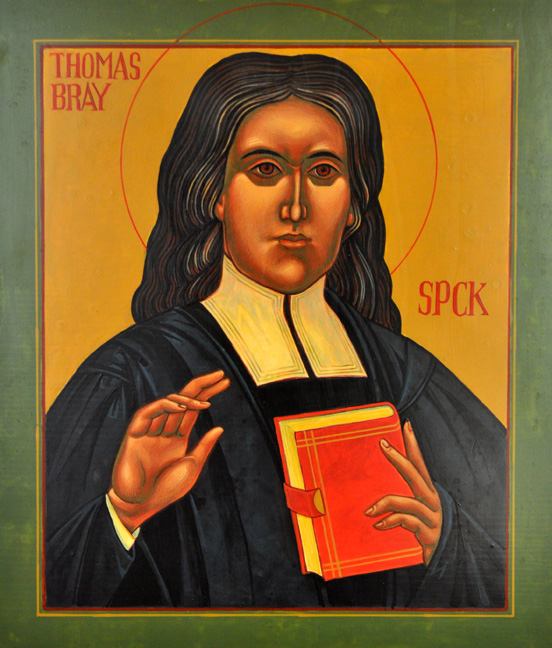
Thomas Bray (icon by Louise Shipps)

About this commemoration

In 1696, Thomas Bray, an English country parson, was invited by the Bishop of London to be responsible for the oversight of Church work in the colony of Maryland. Three years later, as the Bishop’s Commissary, he sailed to America for his first, and only, visitation. Though he spent only two and a half months in Maryland, Bray was deeply concerned about the neglected state of the American churches, and the great need for the education of clergymen, lay people, and children. At a general visitation of the clergy at Annapolis, before his return to England, he emphasized the need for the instruction of children, and insisted that no clergyman be given a charge unless he had a good report from the ship he came over in, “whether … he gave no matter of scandal, and whether he did constantly read prayers twice a day and catechize and preach on Sundays, which, notwithstanding the common excuses, I know can be done by a minister of any zeal for religion.” His understanding of, and concern for, Native Americans and Blacks were far ahead of his time. He founded thirty-nine lending libraries in America, as well as numerous schools. He raised money for missionary work and influenced young English priests to go to America.

Bray tried hard to have a bishop consecrated for America, but failed. His greatest contributions were the founding of the Society for Promoting Christian Knowledge and the Society for the Propagation of the Gospel, both of which are still effectively in operation after two and a half centuries of work all over the world.

From 1706 to 1730, Bray was the rector of St. Botolph Without, Aldgate, London, where, until his death at the age of 72, he served with energy and devotion, while continuing his efforts on behalf of Black slaves in America, and in the founding of parochial libraries.

When the deplorable condition of English prisons was brought to Bray’s attention, he set to work to influence public opinion and to raise funds to alleviate the misery of the inmates. He organized Sunday “Beef and Beer” dinners in prisons, and advanced proposals for prison reform. It was Thomas Bray who first suggested to General Oglethorpe the idea of founding a humanitarian colony for the relief of honest debtors, but he died before the Georgia colony became a reality.

Collects

I    O God of compassion, who didst open the eyes of thy servant Thomas Bray to see the needs of the Church in the New World, and didst lead him to found societies to meet those needs: Make the Church in this land diligent at all times to propagate the Gospel among those who have not received it, and to promote the spread of Christian knowledge; through Jesus Christ our Lord, who liveth and reigneth with thee and the Holy Spirit, one God, for ever and ever. Amen.

II    O God of compassion, you opened the eyes of your servant Thomas Bray to see the needs of the Church in the New World, and led him to found societies to meet those needs: Make the Church in this land diligent at all times to propagate the Gospel among those who have not received it, and to promote the spread of Christian knowledge; through Jesus Christ our Lord, who lives and reigns with you and the Holy Spirit, one God, for ever and ever. Amen

Lessons

Isaiah 52:7–10

Philippians 2:1–5

Luke 10:1–9

Psalm 102:15–22

Preface of Pentecost

Text from Holy Women, Holy Men: Celebrating the Saints © 2010 by The Church Pension Fund. Used by permission.

•   •   •

We invite your reflections about this commemoration and its suitability for the official calendar and worship of The Episcopal Church. How did this person’s life witness to the Gospel? How does this person inspire us in Christian life today?

If you’d like to participate in the official online trial use survey, click here. For more information about the survey, click here.

To post a comment, your first and last name and email address are required. Your name will be published; your email address will not. The first time you post, a moderator will need to approve your submission; after that, your comments will appear instantly.
February 14: Cyril and Methodius, Monk and Bishop, Missionaries to the Slavs, 869, 885

Welcome to the Holy Women, Holy Men blog! We invite you to read about this commemoration, use the collect and lessons in prayer, whether individually or in corporate worship, then tell us what you think. For more information about this project, click here.

•   •   •

Cyril and Methodius

About this commemoration

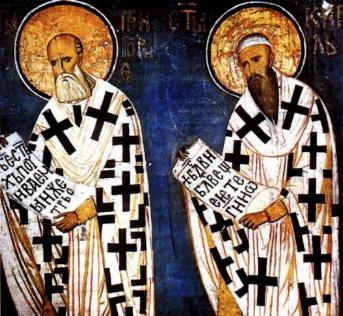
Cyril and Methodius, brothers born in Thessalonika, are honored as apostles to the southern Slavs and as the founders of Slavic literary culture. Cyril was a student of philosophy and a deacon, who eventually became a missionary monastic. Methodius was first the governor of a Slavic colony, then turned to the monastic life, and was later elected abbot of a monastery in Constantinople.

In 862, the King of Moravia asked for missionaries who would teach his people in their native language. Since both Cyril and Methodius knew Slavonic, and both were learned men—Cyril was known as “the Philosopher”—the Patriarch chose them to lead the mission.

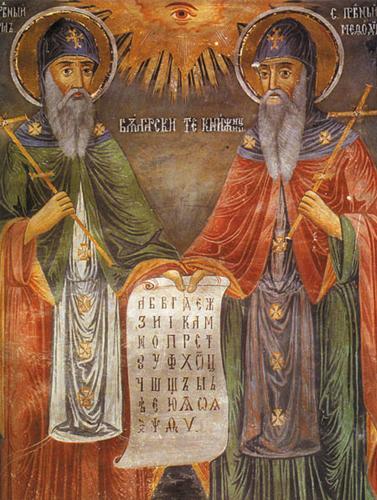
As part of his task among the Moravians, Cyril invented an alphabet to transcribe the native tongue, probably the “glagolithic,” in which Slavo-Roman liturgical books in Russian and Serbian are still written. The so-called “cyrillic” alphabet is thought to have been originated by Cyril’s followers.

Pressures by the German clergy, who opposed the brothers’ teaching, preaching, and writing in Slavonic, and the lack of a bishop to ordain new priests for their people, caused the two brothers to seek foreign help. They found a warm welcome at Rome from Pope Adrian II, who determined to ordain both men bishops and approved the Slavonic liturgy. Cyril died in Rome and was buried there. Methodius, now a bishop, returned to Moravia as Metropolitan of Sirmium.

Methodius, still harassed by German bishops, was imprisoned at their behest. Eventually, he was released by Pope John VIII, on the condition that Slavonic, “a barbarous language,” be used only for preaching. Later, the enmity of the Moravian prince caused Methodius to be recalled to Rome on charges of heresy. Papal support again allowed him to return to Moravia and to use Slavonic in the liturgy.

Methodius completed a Slavonic translation of the Bible and of Byzantine ecclesiastical law, while continuing his missionary activities. At his funeral, celebrated in Greek, Latin, and Slavonic, “the people came together in huge numbers … for Methodius had been all things to all people that he might lead them all to heaven.”

Mural by the Bulgarian icon-painter Zahari Zograf

Collects

I    Almighty and everlasting God, who by the power of the Holy Spirit didst move thy servant Cyril and his brother Methodius to bring the light of the Gospel to a hostile and divided people: Overcome, we pray thee, by the love of Christ, all bitterness and contention among us, and make us one united family under the banner of the Prince of Peace; who liveth and reigneth with thee and the Holy Spirit, one God, now and for ever. Amen.

II    Almighty and everlasting God, by the power of the Holy Spirit you moved your servant Cyril and his brother Methodius to bring the light of the Gospel to a hostile and divided people: Overcome all bitterness and strife among us by the love of Christ, and make us one united family under the banner of the Prince of Peace; who lives and reigns with you and the Holy Spirit, one God, now and for ever. Amen.

Lessons

Jeremiah 26:12–15

Ephesians 3:1–7

Mark 16:15–20

Psalm 69:8–18

Preface of Apostles

Text from Holy Women, Holy Men: Celebrating the Saints © 2010 by The Church Pension Fund. Used by permission.

•   •   •

We invite your reflections about this commemoration and its suitability for the official calendar and worship of The Episcopal Church. How did this person’s life witness to the Gospel? How does this person inspire us in Christian life today?

If you’d like to participate in the official online trial use survey, click here. For more information about the survey, click here.

To post a comment, your first and last name and email address are required. Your name will be published; your email address will not. The first time you post, a moderator will need to approve your submission; after that, your comments will appear instantly.
February 13: Absalom Jones, Priest, 1818

Welcome to the Holy Women, Holy Men blog! We invite you to read about this commemoration, use the collect and lessons in prayer, whether individually or in corporate worship, then tell us what you think. For more information about this project, click here.

•   •   •

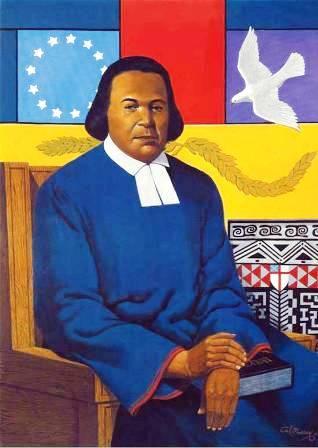
Absalom Jones Icon

About this commemoration

Absalom Jones was born a house slave in 1746 in Delaware. He taught himself to read out of the New Testament, among other books. When sixteen, he was sold to a store owner in Philadelphia. There he attended a night school for Blacks, operated by Quakers. At twenty, he married another slave, and purchased her freedom with his earnings.

Jones bought his own freedom in 1784. At St. George’s Methodist Episcopal Church, he served as lay minister for its Black membership. The active evangelism of Jones and that of his friend, Richard Allen, greatly increased Black membership at St. George’s. The alarmed vestry decided to segregate Blacks into an upstairs gallery, without notifying them. During a Sunday service when ushers attempted to remove them, the Blacks indignantly walked out in a body.

In 1787, Black Christians organized the Free African Society, the first organized Afro-American society, and Absalom Jones and Richard Allen were elected overseers. Members of the Society paid monthly dues for the benefit of those in need. The Society established communication with similar Black groups in other cities. In 1792, the Society began to build a church, which was dedicated on July 17, 1794.

The African Church applied for membership in the Episcopal Diocese of Pennsylvania on the following conditions: 1, that they be received as an organized body; 2, that they have control over their local affairs; 3, that Absalom Jones be licensed as layreader, and, if qualified, be ordained as minister. In October 1794 it was admitted as St. Thomas African Episcopal Church. Bishop White ordained Jones as deacon in 1795 and as priest on September 21, 1802.

Jones was an earnest preacher. He denounced slavery, and warned the oppressors to “clean their hands of slaves.” To him, God was the Father, who always acted on “behalf of the oppressed and distressed.” But it was his constant visiting and mild manner that made him beloved by his own flock and by the community. St. Thomas Church grew to over 500 members during its first year. Known as “the Black Bishop of the Episcopal Church,” Jones was an example of persistent faith in God and in the Church as God’s instrument

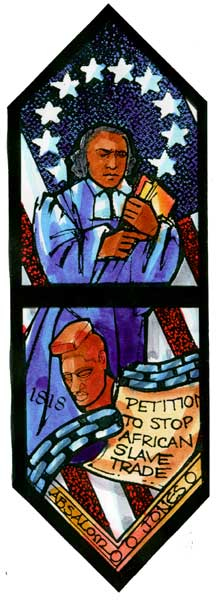
Stained glass window in St. George's Episcopal Church, Dayton, OH, crafted by Willet Stained Glass, 2000

Collects

I    Set us free, O heavenly Father, from every bond of prejudice and fear; that, honoring the steadfast courage of thy servant Absalom Jones, we may show forth in our lives the reconciling love and true freedom of the children of God, which thou hast given us in thy Son our Savior Jesus Christ; who liveth and reigneth with thee and the Holy Spirit, one God, now and for ever. Amen.

II    Set us free, heavenly Father, from every bond of prejudice and fear; that, honoring the steadfast courage of your servant Absalom Jones, we may show forth in our lives the reconciling love and true freedom of the children of God, which you have given us in your Son our Savior Jesus Christ; who lives and reigns with you and the Holy Spirit, one God, now and for ever. Amen.

Lessons

Isaiah 11:1–5

Galatians 5:1–5

John 15:12–15

Psalm 137:1–6

Preface of a Saint (1)

Text from Holy Women, Holy Men: Celebrating the Saints © 2010 by The Church Pension Fund. Used by permission.

Additional link: http://www.aecst.org/ – The African Episcopal Church of St. Thomas, Philadelphia, PA

•   •   •

We invite your reflections about this commemoration and its suitability for the official calendar and worship of The Episcopal Church. How did this person’s life witness to the Gospel? How does this person inspire us in Christian life today?

If you’d like to participate in the official online trial use survey, click here. For more information about the survey, click here.

To post a comment, your first and last name and email address are required. Your name will be published; your email address will not. The first time you post, a moderator will need to approve your submission; after that, your comments will appear instantly.
February 12: Charles Freer Andrews, Priest and “Friend of the Poor” in India, 1940

Welcome to the Holy Women, Holy Men blog! We invite you to read about this commemoration, use the collect and lessons in prayer, whether individually or in corporate worship, then tell us what you think. For more information about this project, click here.

•   •   •

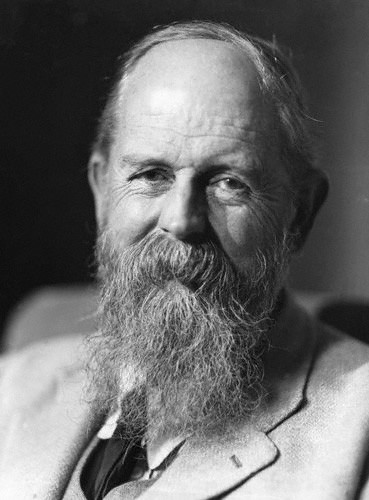
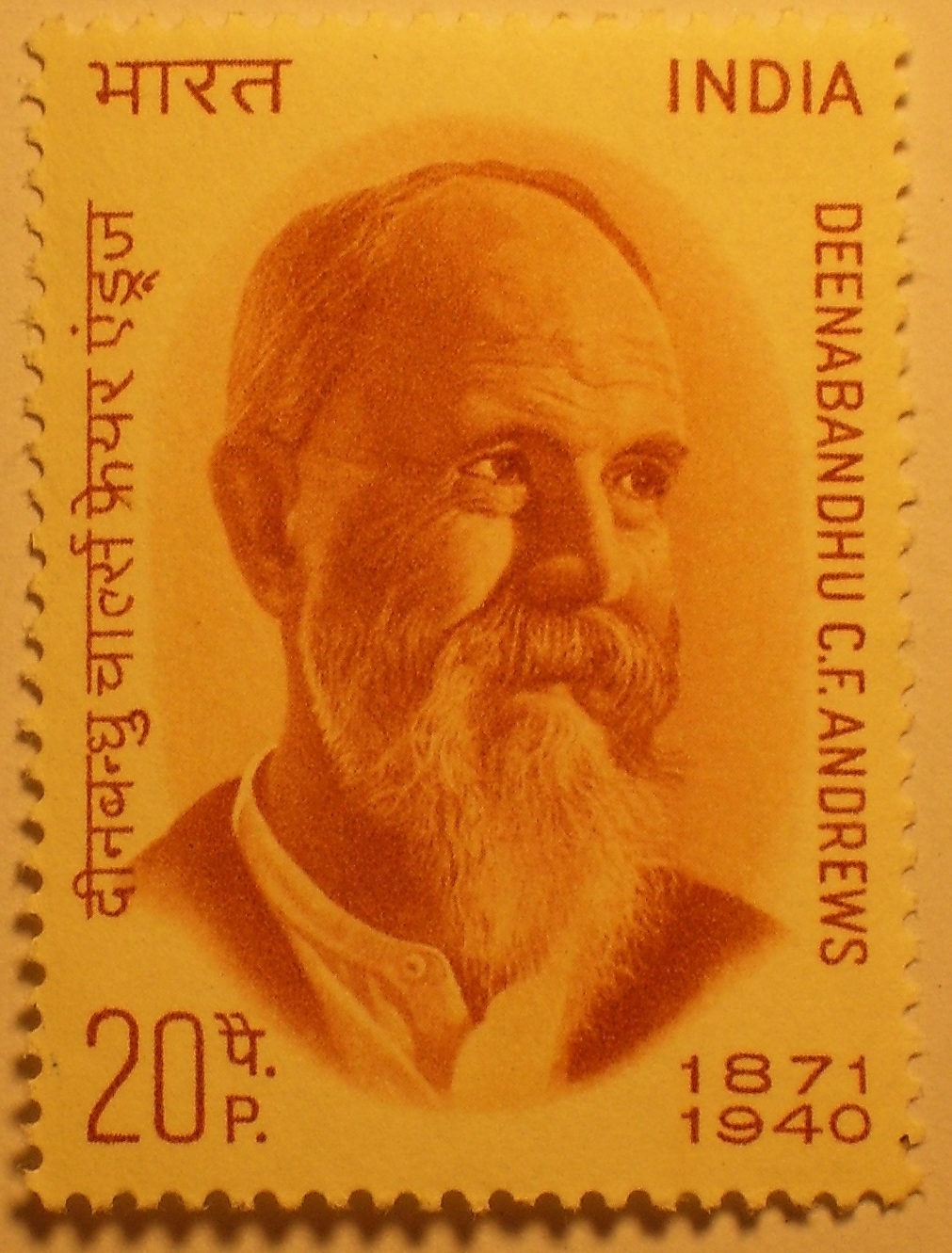
Charles Freer Andrews, photograph by Howard Coster, 1935

About this commemoration

Affectionately called “Christ’s Faithful Apostle” by his friend, the Mahatma Gandhi, Charles Freer Andrews dedicated his life’s work to relief and justice for the oppressed and poor in India and around the globe.

Born in Birmingham, England in 1871, he converted to the Church of England while studying at Cambridge and was ordained a priest in 1897. An active member of the Christian Social Union since his college days, Andrews was inspired by the cause of social justice throughout the British Empire, particularly in India. In 1904 he joined the Cambridge Brotherhood in India and began to teach philosophy at St. Stephen’s College, Delhi. His Indian students and colleagues, with whom he had grown close, referred to him as Deenabandhu, or “Friend of the Poor.”

Andrews openly criticized the racist mistreatment of the Indian people by British officials and, in 1913, he successfully mediated a cotton worker’s strike in Madras which had the potential to become violent.

He traveled to South Africa to help the Indians there in their dispute with the Government, and it was then that he met a young lawyer named Mohandas Gandhi. Andrews was impressed with Gandhi’s teaching of non-violence and with his knowledge of the Christian faith, and helped him establish an ashram, or Indian hermitage, devoted to the practice of peace. In 1915, Andrews helped convince Gandhi to return to England with him. He also aided Gandhi in his efforts to negotiate matters of Indian autonomy with the British Government.

Andrews’ work also took him to Fiji, where he advocated for indentured Indian workers and for the rights of oppressed sugar workers. He eventually returned to England, where he continued to teach about social justice and radical discipleship until his death in 1940.

Collects

I    Gracious God, who didst call Charles Freer Andrews to empty himself, after the example of our Savior, so that he might proclaim thy salvation to the peoples of India and the Pacific Islands: By thy Holy Spirit inspire us with like zeal to bring together people of every race and class, that there may be one Body and one Spirit in Jesus Christ, our Savior; who with thee and the Holy Spirit liveth and reigneth, one God, now and for ever. Amen.

II    Gracious God, you called Charles Freer Andrews to empty himself, after the example of our Savior, so that he might proclaim your salvation to the peoples of India and the Pacific Islands: By your Holy Spirit inspire us with like zeal to bring together people of every race and class, that there may be one Body and one Spirit in Jesus Christ, our Savior; who with you and the Holy Spirit lives and reigns, one God, now and for ever. Amen.

Lessons

Deuteronomy 15:7–11

Ephesians 2:13–22

Matthew 23:8–12

Psalm 113:2–8

Preface of a Saint (2)

Text from Holy Women, Holy Men: Celebrating the Saints © 2010 by The Church Pension Fund. Used by permission.

•   •   •

We invite your reflections about this commemoration and its suitability for the official calendar and worship of The Episcopal Church. How did this person’s life witness to the Gospel? How does this person inspire us in Christian life today?

If you’d like to participate in the official online trial use survey, click here. For more information about the survey, click here.

To post a comment, your first and last name and email address are required. Your name will be published; your email address will not. The first time you post, a moderator will need to approve your submission; after that, your comments will appear instantly.
February 11: Frances Jane (Fanny) Van Alstyne Crosby, Hymnwriter, 1915

Welcome to the Holy Women, Holy Men blog! We invite you to read about this commemoration, use the collect and lessons in prayer, whether individually or in corporate worship, then tell us what you think. For more information about this project, click here.

•   •   •


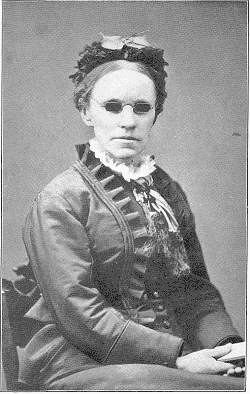
Fanny Crosby

About this commemoration

Fanny Crosby was the most prolific writer of hymn texts and gospel songs in the American evangelical tradition of the late nineteenth and early twentieth centuries. She wrote more than eight thousand sacred texts in addition to other poetry.

Frances Jane Crosby was born in Putnam County, New York, on March 24, 1820. Although not born blind, she lost her sight as an infant as a result of complications from a childhood illness. At the age of fifteen, she entered the New York Institute for the Blind where she would later teach for a number of years. In 1858, she married Alexander van Alstyne, a musician in New York who was also blind. Crosby was a lifelong Methodist.

Crosby’s texts were so popular that nearly every well-known composer of gospel music of the period came to her for words to accompany their melodies. In most hymn writing, the words come first and then a composer sets them to music, but for Crosby the words came so quickly and naturally that composers would often take her their tunes and she would immediately begin to shape words that fit the music.

Perhaps the best example of this process led to the creation of Crosby’s most well known hymn Blessed Assurance. On a visit to the home of a friend, the composer Phoebe Knapp, a newly composed tune was played for Crosby. After listening to the tune several times, the text began to take shape, and in a very short time one of the world’s most popular gospel hymns was born.
The American gospel song is a unique genre of sacred music that combines words expressive of the personal faith and witness with tunes that are simple and easily learned. Fanny Crosby’s contribution to this genre is unequaled. Dozens of her hymns continue to find a place in the hymnals of Protestant evangelicalism around the world.

Fanny Crosby died on February 12, 1915, in Bridgeport, Connecticut, where she is buried.

Collects

I    O God, the blessed assurance of all who trust in thee: We give thee thanks for thy servant Fanny Crosby, who, though blind from infancy, beheld thy glory with great clarity of vision and spent her life giving voice to thy people’s heartfelt praise; and we pray that we, inspired by her words and example, may rejoice to sing of thy love, praising our Savior all the day long; who liveth and reigneth with thee and the Holy Spirit, one God in perfect harmony, now and for ever. Amen.

II    O God, the blessed assurance of all who trust in you: We give you thanks for your servant Fanny Crosby, who, though blind from infancy, beheld your glory with great clarity of vision and spent her life giving voice to your people’s heartfelt praise; and we pray that we, inspired by her words and example, may rejoice to sing of your love, praising our Savior all the day long; who lives and reigns with you and the Holy Spirit, one God in perfect harmony, now and for ever. Amen.

Lessons

Isaiah 42:10–12,16

1 Peter 1:3–9

John 9:35–39

Psalm 108: 1-6

Preface of a Saint (3)

Text from Holy Women, Holy Men: Celebrating the Saints © 2010 by The Church Pension Fund. Used by permission.

Additional link: Fanny Crosby’s best-known hymn “Blessed Assurance”: http://www.hymntime.com/tch/htm/b/l/e/blesseda.htm

•   •   •

We invite your reflections about this commemoration and its suitability for the official calendar and worship of The Episcopal Church. How did this person’s life witness to the Gospel? How does this person inspire us in Christian life today?

If you’d like to participate in the official online trial use survey, click here. For more information about the survey, click here.

To post a comment, your first and last name and email address are required. Your name will be published; your email address will not. The first time you post, a moderator will need to approve your submission; after that, your comments will appear instantly.
February 7: Cornelius the Centurion

Welcome to the Holy Women, Holy Men blog! We invite you to read about this commemoration, use the collect and lessons in prayer, whether individually or in corporate worship, then tell us what you think. For more information about this project, click here.

•   •   •

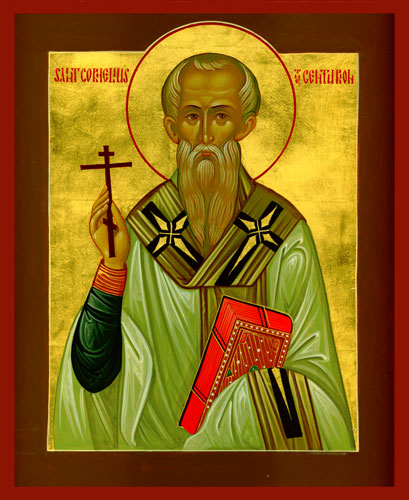
Cornelius the Centurion

About this commemoration

All that we know about Cornelius is contained in the Acts of the Apostles (chapters 10–11). He was the first Gentile converted to the Christian faith, along with his household. A centurion was commander of a company of one hundred men in the Roman army, responsible for their discipline, both on the field of battle and in camp. A centurion was a Roman citizen, a military career man, well-paid, and generally noted for courage and competence. Some centurions, such as Cornelius, and those whom we know about from the Gospel narratives, were men of deep religious piety.

The author of Acts considered Cornelius’ conversion very momentous for the future of Christianity. He records that it occurred as the result of divine intervention and revelation, and as a response to the preaching of Peter the chief apostle. The experience of Cornelius’ household was regarded as comparable to a new Pentecost, and it was a primary precedent for the momentous decision of the apostolic council, held in Jerusalem a few years later, to admit Gentiles to full and equal partnership with Jewish converts in the household of faith.

According to tradition, Cornelius was the second Bishop of Caesarea, the metropolitan see of Palestine. Undoubtedly, Cornelius and his household formed the nucleus of the first Church in this important city, a Church that was gathered by Philip the Evangelist (Acts 8:40 and 21:8).

Collects

I    O God, who by thy Spirit didst call Cornelius the Centurion to be the first Christian among the Gentiles: Grant to thy Church, we beseech thee, such a ready will to go where thou dost send and to do what thou dost command, that under thy guidance it may welcome all who turn to thee in love and faith, and proclaim the Gospel to all nations; through Jesus Christ our Lord, who liveth and reigneth with thee and the Holy Spirit, one God, for ever and ever. Amen.

II    O God, by your Spirit you called Cornelius the Centurion to be the first Christian among the Gentiles: Grant to your Church such a ready will to go where you send and to do what you command, that under your guidance it may welcome all who turn to you in love and faith, and proclaim the Gospel to all nations; through Jesus Christ our Lord, who lives and reigns with you and the Holy Spirit, one God, for ever and ever. Amen.

Lessons

Isaiah 56:6–8

Acts 11:1–18

Luke 13:22–29

Psalm 67

Preface of Pentecost

Text from Holy Women, Holy Men: Celebrating the Saints © 2010 by The Church Pension Fund. Used by permission.

•   •   •

We invite your reflections about this commemoration and its suitability for the official calendar and worship of The Episcopal Church. How did this person’s life witness to the Gospel? How does this person inspire us in Christian life today?

If you’d like to participate in the official online trial use survey, click here. For more information about the survey, click here.

To post a comment, your first and last name and email address are required. Your name will be published; your email address will not. The first time you post, a moderator will need to approve your submission; after that, your comments will appear instantly.
February 6: The Martyrs of Japan, 1597

Welcome to the Holy Women, Holy Men blog! We invite you to read about this commemoration, use the collect and lessons in prayer, whether individually or in corporate worship, then tell us what you think. For more information about this project, click here.

•   •   •

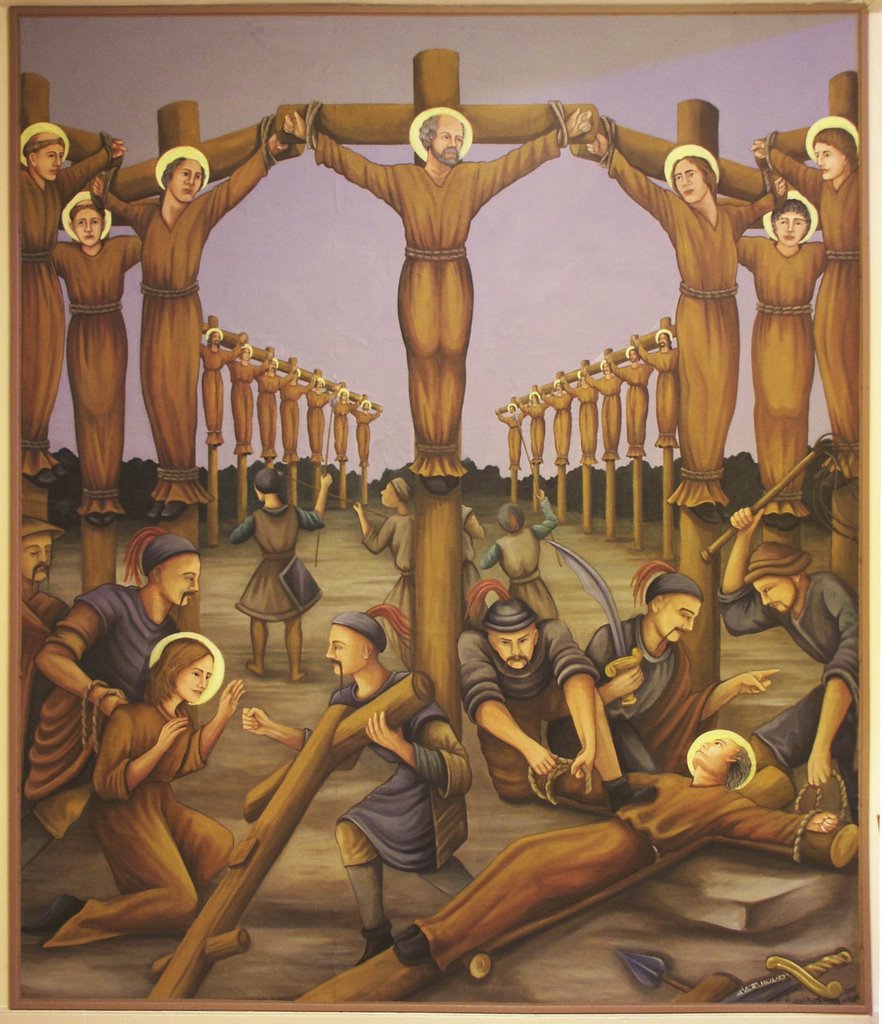
Painting in Church of the Holy Martyrs of Japan, Japan, Missouri

About this commemoration

The introduction of Christianity into Japan in the sixteenth century, first by the Jesuits under Francis Xavier, and then by the Franciscans, has left exciting records of heroism and self-sacrifice in the annals of Christian missionary endeavor. It has been estimated that by the end of that century there were about 300,000 baptized believers in Japan.

Unfortunately, these initial successes were compromised by rivalries among the religious orders; and the interplay of colonial politics, both within Japan and between Japan and the Spanish and Portuguese, aroused suspicion about western intentions of conquest. After a half century of ambiguous support by some of the powerful Tokugawa shoguns, the Christian enterprise suffered cruel persecution and suppression.

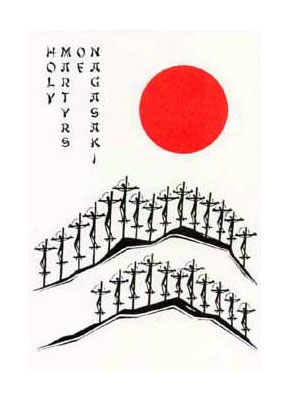
The first victims were six Franciscan friars and twenty of their converts who were crucified at Nagasaki, February 5, 1597. By 1630, what was left of Christianity in Japan was driven underground. Yet it is remarkable that two hundred and fifty years later there were found many men and women, without priests, who had preserved through the generations a vestige of Christian faith.

Collects

I    O God our Father, who art the source of strength to all thy saints, and who didst bring the holy martyrs of Japan through the suffering of the cross to the joys of life eternal: Grant that we, being encouraged by their example, may hold fast the faith that we profess, even unto death; through Jesus Christ our Lord, who liveth and reigneth with thee and the Holy Spirit, one God, now and for ever. Amen.
II    O God our Father, source of strength to all your saints, you brought the holy martyrs of Japan through the suffering of the cross to the joys of eternal life: Grant that we, encouraged by their example, may hold fast the faith we profess, even to death itself; through Jesus Christ our Lord, who lives and reigns with you and the Holy Spirit, one God, now and for ever. Amen.

Lessons

Lamentations 3:46–48,52–59

Galatians 2:19–20

Mark 8:34–38

Psalm 16:5–11

Preface of Holy Week

Text from Holy Women, Holy Men: Celebrating the Saints © 2010 by The Church Pension Fund. Used by permission.

•   •   •

We invite your reflections about this commemoration and its suitability for the official calendar and worship of The Episcopal Church. How did this person’s life witness to the Gospel? How does this person inspire us in Christian life today?

If you’d like to participate in the official online trial use survey, click here. For more information about the survey, click here.

To post a comment, your first and last name and email address are required. Your name will be published; your email address will not. The first time you post, a moderator will need to approve your submission; after that, your comments will appear instantly.
February 5: Roger Williams and Anne Hutchinson, Prophetic Witnesses, 1683, 1643

Welcome to the Holy Women, Holy Men blog! We invite you to read about this commemoration, use the collect and lessons in prayer, whether individually or in corporate worship, then tell us what you think. For more information about this project, click here.

•   •   •


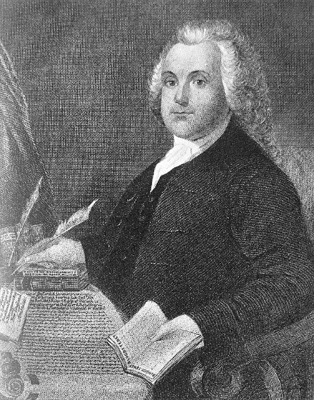
Roger Williams
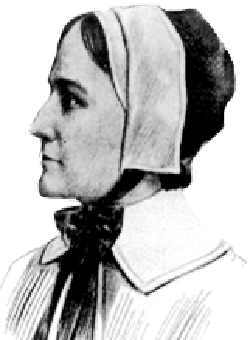
Anne Hutchinson

About this commemoration

Born in London in 1603, Roger Williams was ordained and served as a priest in the Church of England. Williams found that he could not abide by the rigorous, high-church policies of Archbishop William Laud, and in 1630, he sailed to New England in search of religious liberty.

Upon his arrival in Boston, Williams encountered further obstacles to religious freedom. In particular, Williams objected to the ability of the civil authorities to punish religious offenses, and he advocated for a “wall of separation” between civil and religious powers. He believed also in the fundamental right of all people to follow their consciences in matter of religious belief. He left Massachusetts and founded a nearby settlement called Providence, believing God had guided him to this new land. He was eventually granted a charter for the colony of Rhode Island, the new constitution of which granted wide religious latitude and freedom of practice. Williams founded the first Baptist Church in Providence, though he refused to be tied to the tenets of an established church.

Like Roger Williams, Anne Hutchinson also immigrated to Massachusetts in hope of finding religious freedom. She was an outspoken advocate of the rights and equality of women, challenging the dominant views of the Puritan leadership. She held Bible studies in her home for the women of her community, at which she welcomed critical examination of the faith. As a result of her activities, she found herself at odds with not only the religious authorities, but with the state civil authorities as well, and in 1638, she was tried by the General Court of Massachusetts, presided over by Governor John Winthrop, and was branded as a dangerous dissenter and banished from the colony. Anne eventually relocated to what is now Bronx, New York, where she and her family were killed, save one daughter, by a group of Siwanoy Indians in 1643.

Today, both Roger Williams and Anne Hutchinson are remembered as early champions of religious liberty in this nation and as prophets of the individual’s freedom of fellowship with the Creator.

Collects

I    O God our light and salvation, we offer thanks for Roger Williams and Anne Hutchinson, whose visions of the liberty of the soul illumined by the light of Christ made them brave prophets of religious tolerance in the American colonies; and we pray that we also may follow paths of holiness and good conscience, guided by the radiance of Jesus Christ; who with thee and the Holy Spirit liveth and reigneth, one God, for ever and ever. Amen.

II    O God our light and salvation, we thank you for Roger Williams and Anne Hutchinson, whose visions of the liberty of the soul illumined by the light of Christ made them brave prophets of religious tolerance in the American colonies; and we pray that we also may follow paths of holiness and good conscience, guided by the radiance of Jesus Christ; who with you and the Holy Spirit lives and reigns, one God, for ever and ever. Amen.

Lessons

1 Kings 17:1–16

1 Peter 1:13–16

Luke 9:51–62

Psalm 133

Preface of God the Father

Text from Holy Women, Holy Men: Celebrating the Saints © 2010 by The Church Pension Fund. Used by permission.

•   •   •

We invite your reflections about this commemoration and its suitability for the official calendar and worship of The Episcopal Church. How did this person’s life witness to the Gospel? How does this person inspire us in Christian life today?

If you’d like to participate in the official online trial use survey, click here. For more information about the survey, click here.

To post a comment, your first and last name and email address are required. Your name will be published; your email address will not. The first time you post, a moderator will need to approve your submission; after that, your comments will appear instantly.
February 4: Anskar, Archbishop of Hamburg, Missionary to Denmark and Sweden, 865

Welcome to the Holy Women, Holy Men blog! We invite you to read about this commemoration, use the collect and lessons in prayer, whether individually or in corporate worship, then tell us what you think. For more information about this project, click here.

•   •   •

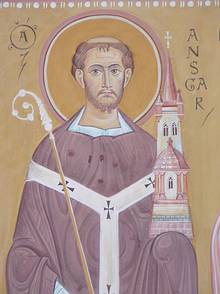
Anskar

About this commemoration

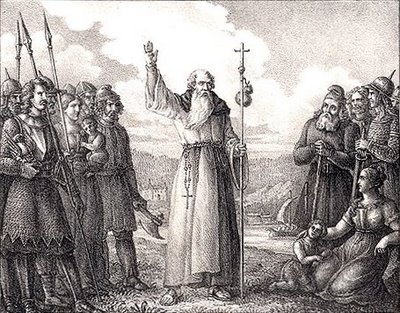
Anskar (Latinized as Ansgarius) was one of those valiant Christians of whom it might be said, “These shall plant the seed, but others shall reap the harvest.” As Archbishop of Hamburg, he was papal legate for missionary work among the Scandinavians. The immediate result of his devoted and perilous labors was slight: two churches established on the border of Denmark and one priest settled in Sweden. He also participated in the consecration of Gotbert, first bishop in Sweden.

Anskar was born in Corbie, France, in 801, and educated in the outstanding monastic school there. His teaching skill led him to be chosen master of a new monastery school, sent out by Corbie, in Saxon Germany. His strongest call, however, was to be a missionary.

He was stirred, his biographer Rimbert says, by a prolonged vision, in which a voice said, “Go and return to me crowned with martyrdom.” When King Harald of Denmark sought missionaries for that country in 826, Anskar was one of those selected. Rimbert notes that Anskar’s missionary purpose caused astonishment. Why should he wish to leave his brothers to deal with “unknown and barbarous folk?” Some of the brethren tried to deter him; others considered him a freak.

Steadfast in his resolve, Anskar established a school and mission in Denmark, working conscientiously but unsuccessfully to convert and evangelize. He was not totally discouraged. Another vision appeared, with a voice saying, “Go and declare the work of God to the nations.” Shortly afterward (about 829), he was called to Sweden and eagerly accepted. Meager aid both from the monastery and the emperor frustrated his efforts.

While still a young man, Anskar was consecrated Archbishop of Hamburg in 831, and continued his work among the Scandinavians until 848, when he retired to the See of Bremen. The seeds of his efforts were not to bear fruit until over one hundred years later, when Viking devastation, weakness in the Frankish Church, and the lowest ebb of missionary enthusiasm, came to an end. The rich harvest of conversion was three generations away. Nevertheless, Anskar is looked upon by Scandinavians as their apostle.

Collects
I    Almighty and everlasting God, who didst send thy servant Anskar as an apostle to the people of Scandinavia, and didst enable him to lay a firm foundation for their conversion, though he did not see the results of his labors: Keep thy Church from discouragement in the day of small things, knowing that when thou hast begun a good work thou wilt bring it to a fruitful conclusion; through Jesus Christ our Lord, who liveth and reigneth with thee and the Holy Spirit, one God, for ever and ever. Amen.
II    Almighty and everlasting God, you sent your servant Anskar as an apostle to the people of Scandinavia, and enabled him to lay a firm foundation for their conversion, though he did not see the results of his labors: Keep your Church from discouragement in the day of small things, knowing that when you have begun a good work you will bring it to a fruitful conclusion; through Jesus Christ our Lord, who lives and reigns with you and the Holy Spirit, one God, for ever and ever. Amen.

St. Anskar

Lessons

Zephaniah 3:9–12

Acts 1:1–9

Mark 6:7–13

Psalm 69:13–16

Preface of Apostles

Text from Holy Women, Holy Men: Celebrating the Saints © 2010 by The Church Pension Fund. Used by permission.

•   •   •

We invite your reflections about this commemoration and its suitability for the official calendar and worship of The Episcopal Church. How did this person’s life witness to the Gospel? How does this person inspire us in Christian life today?

If you’d like to participate in the official online trial use survey, click here. For more information about the survey, click here.

To post a comment, your first and last name and email address are required. Your name will be published; your email address will not. The first time you post, a moderator will need to approve your submission; after that, your comments will appear instantly.
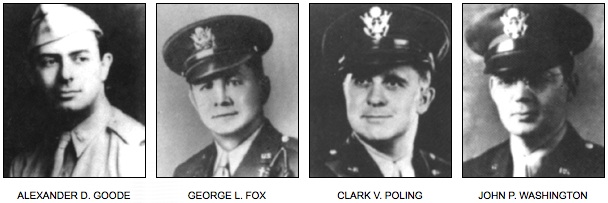
February 3: The Dorchester Chaplains: Lieutenant George Fox, Lieutenant Alexander D. Goode, Lieutenant Clark V. Poling, Lieutenant John P. Washington, 1943

Welcome to the Holy Women, Holy Men blog! We invite you to read about this commemoration, use the collect and lessons in prayer, whether individually or in corporate worship, then tell us what you think. For more information about this project, click here.

•   •   •

About this commemoration

On January 23, 1943, the Dorchester, a converted cruise ship, set sail with a troop convoy from New York City for Greenland with 902 persons on board. Among them were four U.S. Army chaplains, Lt. George L. Fox (Methodist), Lt. Alexander D. Goode (Jewish), Lt. Clark V. Poling (Dutch Reformed), and Lt. John P. Washington (Catholic).

George Fox had served as a medical corps assistant in World War I, where he was decorated for heroism. Alexander Goode joined the National Guard while he was studying for the rabbinate. Clark Poling’s father told him that chaplains had a high mortality rate. He prayed for strength, courage and understanding, then joined the Army Chaplains Corps. John Washington was a gang leader in Newark, New Jersey, when he was called to the priesthood.

On February 3, one day from their destination, a German U-Boat fired torpedoes, striking the boiler room of the Dorchester. Even though everyone was sleeping with their life jackets, many of the soldiers left them behind as they clambered topside to seek escape and safety. Unfortunately, only two of the fourteen lifeboats were successfully lowered into the water, making it necessary for most men to dive into the nineteen degree water.

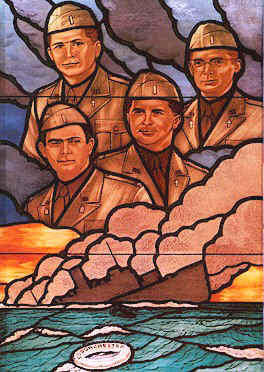
The four chaplains moved among the men, assisting, calming, and passing out life jackets from the ship’s store to those forced to jump into the freezing ocean. Having given up their own life vests to save the lives of the soldiers, the chaplains remained on the aft deck, arms linked in prayer until the ship sank, claiming their lives. Two hundred thirty men were rescued from the icy waters by other ships in the convoy. Many survived because of the selflessness and heroism of the four chaplains.

Chaplains Fox, Goode, Poling, and Washington responded to a high calling from God to represent his love among men of war. On the day they died, they personified the words of Jesus found in John 15:13 “Greater love has no one than this, that he lay down his life for his friends.”

Dorchester Chaplains

Collects
I    Holy God, who didst inspire the Dorchester chaplains to be models of steadfast sacrificial love in a tragic and terrifying time: Help us to follow their example, that their courageous ministry may inspire chaplains and all who serve, to recognize thy presence in the midst of peril; through Jesus Christ our Savior, who liveth and reigneth with thee and the Holy Spirit, one God, for ever and ever. Amen.
II    Holy God, you inspired the Dorchester chaplains to be models of steadfast sacrificial love in a tragic and terrifying time: Help us to follow their example, that their courageous ministry may inspire chaplains and all who serve, to recognize your presence in the midst of peril; through Jesus Christ our Savior, who lives and reigns with you and the Holy Spirit, one God, for ever and ever. Amen.

Lessons

Joel 2:28–32

Romans 8:15b–19,38–39

John 15:9–14

Psalm 46

Preface of All Saints

Text from Holy Women, Holy Men: Celebrating the Saints © 2010 by The Church Pension Fund. Used by permission.

Additional link: American Public Media’s Being podcast with Krista Tippett – Memorial Day special on the Four Chaplains


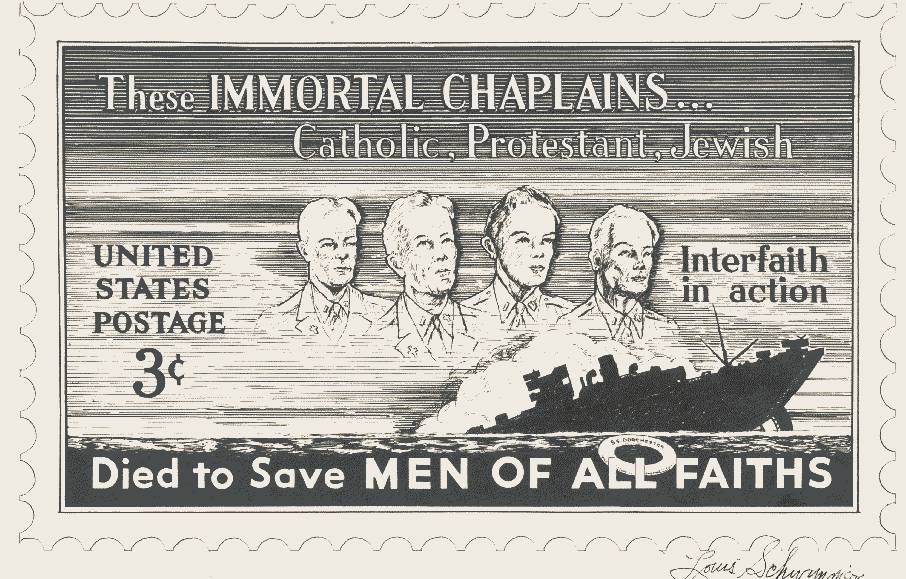
Four Chaplains Commemorative U.S. Postage Stamp

•   •   •

We invite your reflections about this commemoration and its suitability for the official calendar and worship of The Episcopal Church. How did this person’s life witness to the Gospel? How does this person inspire us in Christian life today?

If you’d like to participate in the official online trial use survey, click here. For more information about the survey, click here.

To post a comment, your first and last name and email address are required. Your name will be published; your email address will not. The first time you post, a moderator will need to approve your submission; after that, your comments will appear instantly.